Table of Contents
- Oregon’s Home Inspection Standards: Built-In Consumer Protection
- Fighting the Rain: Why Moisture is Portland’s Most Persistent Home Threat
- Character Comes with a Cost: Infrastructure Challenges in Pre-1960 Portland Homes
- Beyond the Visible: Environmental and Geological Hazards Unique to Portland
- From Report to Resolution: How to Leverage Your Inspection Findings
- Key Takeaways
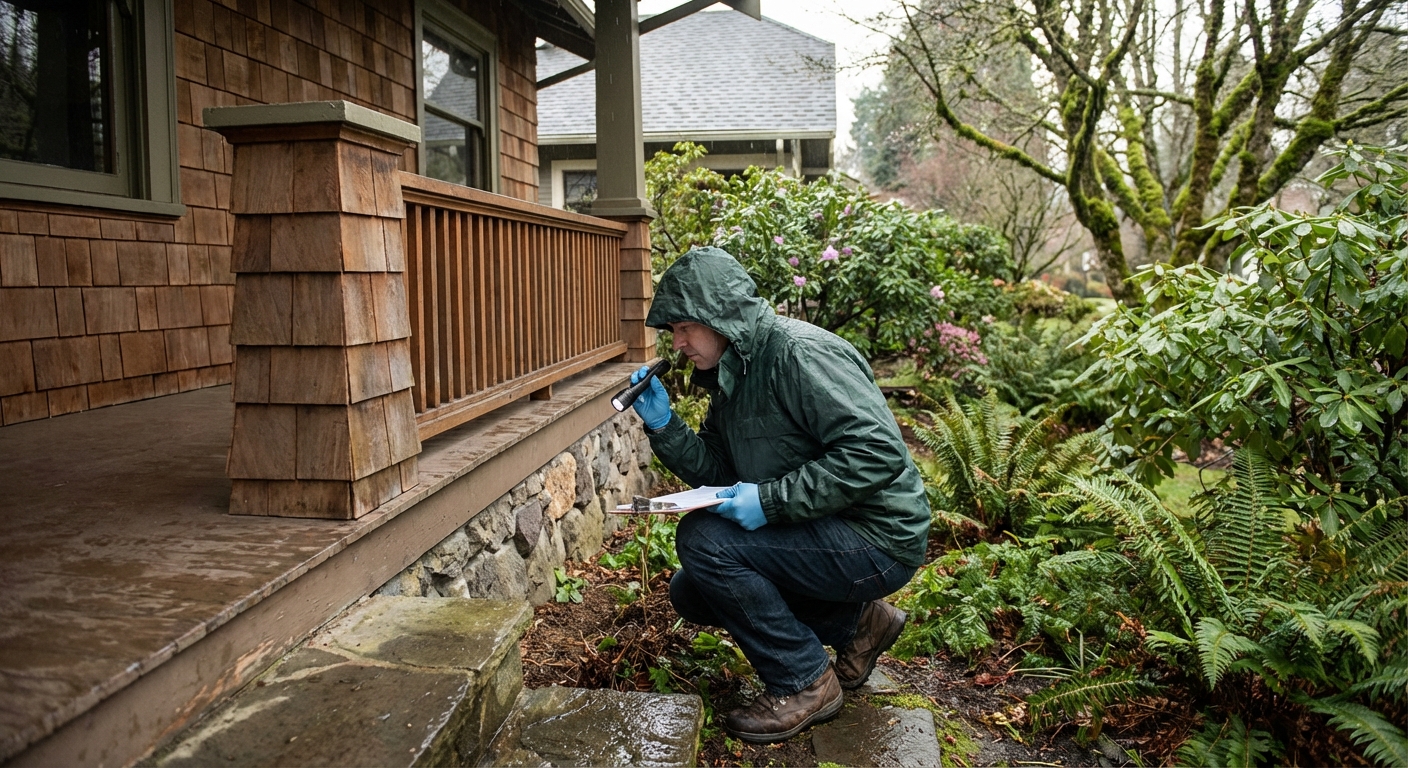
The home inspection is one of the most critical steps in the home buying process, especially in Portland, Oregon, where unique climate conditions and aging housing stock present distinct challenges. With a median housing construction year of 1974, many Portland homes predate modern building codes, making thorough inspections essential for protecting your investment. Unlike many states where home inspection is unregulated, Oregon has established a comprehensive regulatory framework through the Oregon Construction Contractors Board (CCB), ensuring that certified inspectors meet rigorous standards of practice. This oversight provides Portland homebuyers with professional protection and accountability. In this guide, you’ll discover what makes Oregon home inspections unique, the specific regional challenges that Portland properties face—from persistent moisture issues to seismic vulnerabilities—and how to leverage your inspection report during negotiations. Whether you’re eyeing a charming 1920s Craftsman in Sellwood or a mid-century ranch in Beaverton, understanding the inspection process will transform this potentially stressful milestone into an opportunity for informed decision-making and confident homeownership.
Oregon’s Home Inspection Standards: Built-In Consumer Protection
Oregon distinguishes itself through state-mandated certification requirements and clearly defined standards of practice, providing homebuyers with professional accountability that isn’t guaranteed in many other states.
CCB Certification Requirements
All paid home inspectors in Oregon must be certified as Oregon Certified Home Inspectors (OCHI) through the Construction Contractors Board. This certification isn’t merely a formality—it requires passing the National Home Inspector Examination, completing rigorous training, and maintaining continuing education to stay current with evolving building science and inspection techniques.
Standards of Practice
Oregon’s administrative rules (OAR Chapter 812, Division 8) define minimum inspection requirements across eight major systems: structural components, exterior elements, roofing systems, plumbing infrastructure, electrical systems, HVAC equipment, interior conditions, and insulation with ventilation. These comprehensive standards ensure that every certified inspector evaluates your potential home using the same thorough framework.
Understanding What’s Included—and What’s Not
A standard Oregon home inspection is a non-invasive visual examination, not a technically exhaustive evaluation or a code-compliance check. While inspectors thoroughly assess visible and accessible components, they don’t dismantle systems or perform destructive testing. Standard inspections typically exclude environmental hazard testing such as radon, asbestos, or lead paint analysis, pest inspections, well water testing, or specialized engineering evaluations unless separately contracted.
Why This Framework Matters: Unlike unregulated markets where inspector qualifications vary dramatically, Oregon’s structure ensures baseline competency across the board. When you hire an OCHI-certified inspector, you’re guaranteed a professional who meets state standards and can be held accountable through the CCB’s complaint process.
For Portland homebuyers, this means you can focus on understanding your inspection findings rather than wondering whether your inspector has adequate training. The Oregon framework provides a foundation of trust that empowers confident decision-making throughout your home purchase.
Fighting the Rain: Why Moisture is Portland’s Most Persistent Home Threat
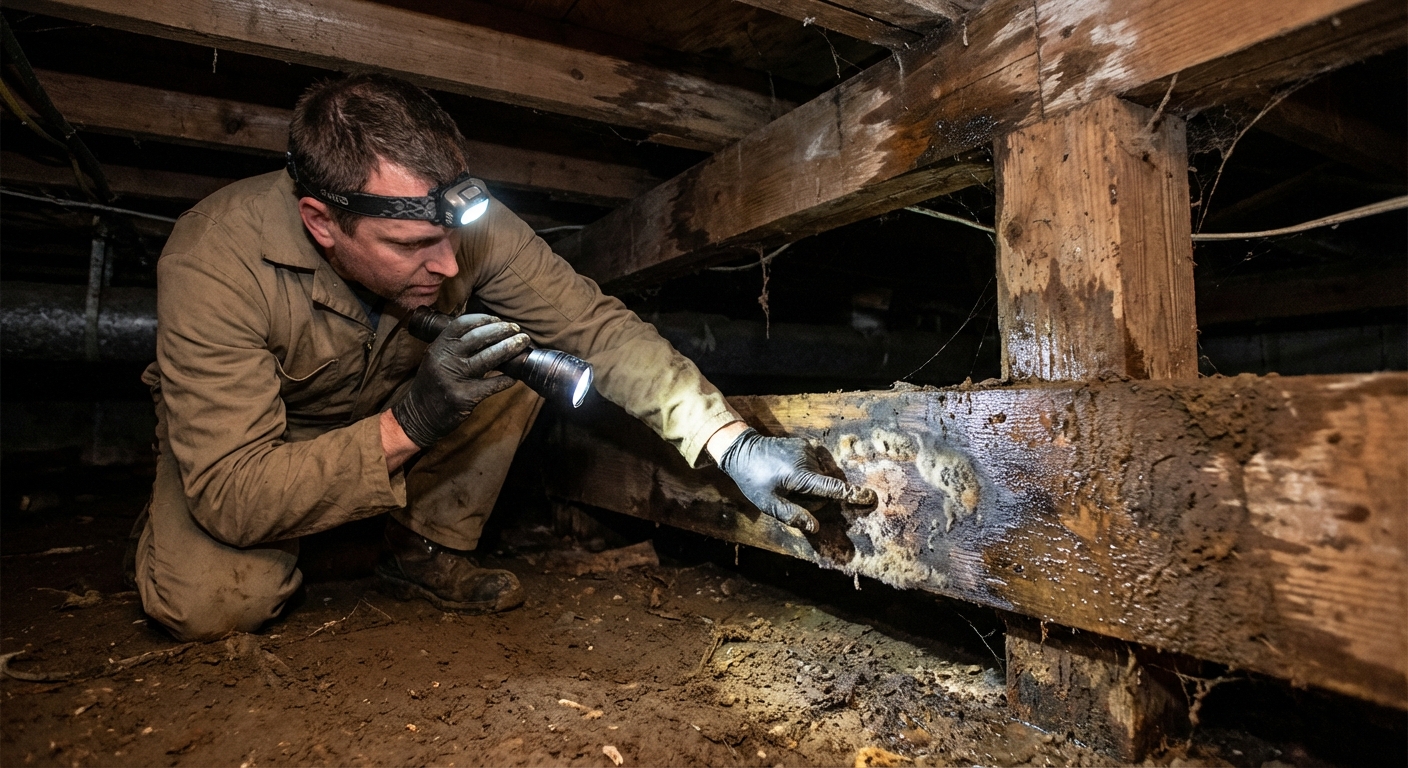
Portland’s climate—averaging 36-40 inches of annual rainfall spread across 154 days—creates constant moisture pressure on homes, making water intrusion the region’s most common and costly property issue. Understanding how water threatens your potential home is essential for interpreting your inspection report and prioritizing repairs.
The Climate Reality
The persistent dampness of the Pacific Northwest makes Portland homes particularly susceptible to water intrusion. Unlike regions with dramatic rainfall followed by extended dry periods, Portland experiences steady moisture exposure that slowly tests every seal, joint, and surface. This relentless dampness leads to rot, structural damage, mold growth, and pest infestations when building envelope defenses fail.
Historical Siding Challenges
Homes built or resided between the 1980s and mid-1990s may contain Louisiana-Pacific (LP) inner-seal siding, a composite wood product notorious for swelling and decomposition when exposed to moisture. Inspectors specifically identify this failing material because replacement costs can reach tens of thousands of dollars. If your inspection reveals LP siding, budget accordingly and consider this a significant negotiating point.
Critical Inspection Zones
Crawl Spaces: Inspectors carefully examine crawl spaces for standing water, inadequate ventilation, fungus growth, and wood rot—all indicators of moisture problems. A damp crawl space doesn’t just affect the area below your floors; moisture migrates upward, affecting floor joists, subfloors, and eventually interior living spaces. Attics: Poor attic ventilation leads to condensation that saturates insulation and promotes mold growth. Inspectors assess ventilation adequacy and look for water stains on roof sheathing that indicate active or past leaks. Building Envelope: Your home’s first defense against Portland’s rain is the building envelope—roofing materials, siding systems, flashing details, and window and door seals. Inspectors meticulously examine these components because failures here cascade into interior damage.
The Pest Connection
The Pacific Northwest experiences moderate to heavy termite activity, with wood-destroying organisms like carpenter ants and termites attracted to moisture-damaged wood. A moisture problem today often becomes a pest problem tomorrow, compounding repair costs and structural concerns.
Mold Considerations
According to the EPA, controlling moisture is the key to controlling mold. Any mold growth should be addressed promptly regardless of type, as remediation costs escalate quickly once mold establishes itself. Your inspection report will note visible mold, but remember that mold often hides within wall cavities where moisture has intruded undetected.
Common Moisture Sources and Their Consequences
Understanding where water enters and what damage results helps you prioritize inspection findings:
| Moisture Source | Common Consequences |
|---|---|
| Roof and Flashing Failures Worn shingles, damaged flashing, clogged gutters |
Attic water damage, ceiling stains, saturated insulation, mold growth, sheathing rot |
| Siding and Trim Issues Cracked siding, failed caulking, improper flashing |
Wall sheathing decay, structural damage, water intrusion into wall cavities |
| Foundation and Grading Problems Negative grading, foundation cracks |
Water accumulation in crawl spaces or basements, foundation settlement, hydrostatic pressure |
| Plumbing Leaks Leaky pipes, failing fixtures, shower pan failures |
Subfloor damage, mold in walls and floors, increased water bills, structural joist decay |
⚠️ Critical Point: When reviewing your inspection report, moisture-related findings deserve serious attention. Unlike cosmetic issues that affect aesthetics, moisture problems threaten your home’s structural integrity and your family’s health. Work with your inspector to understand the source, extent, and urgency of any moisture issues before finalizing your purchase.
Character Comes with a Cost: Infrastructure Challenges in Pre-1960 Portland Homes
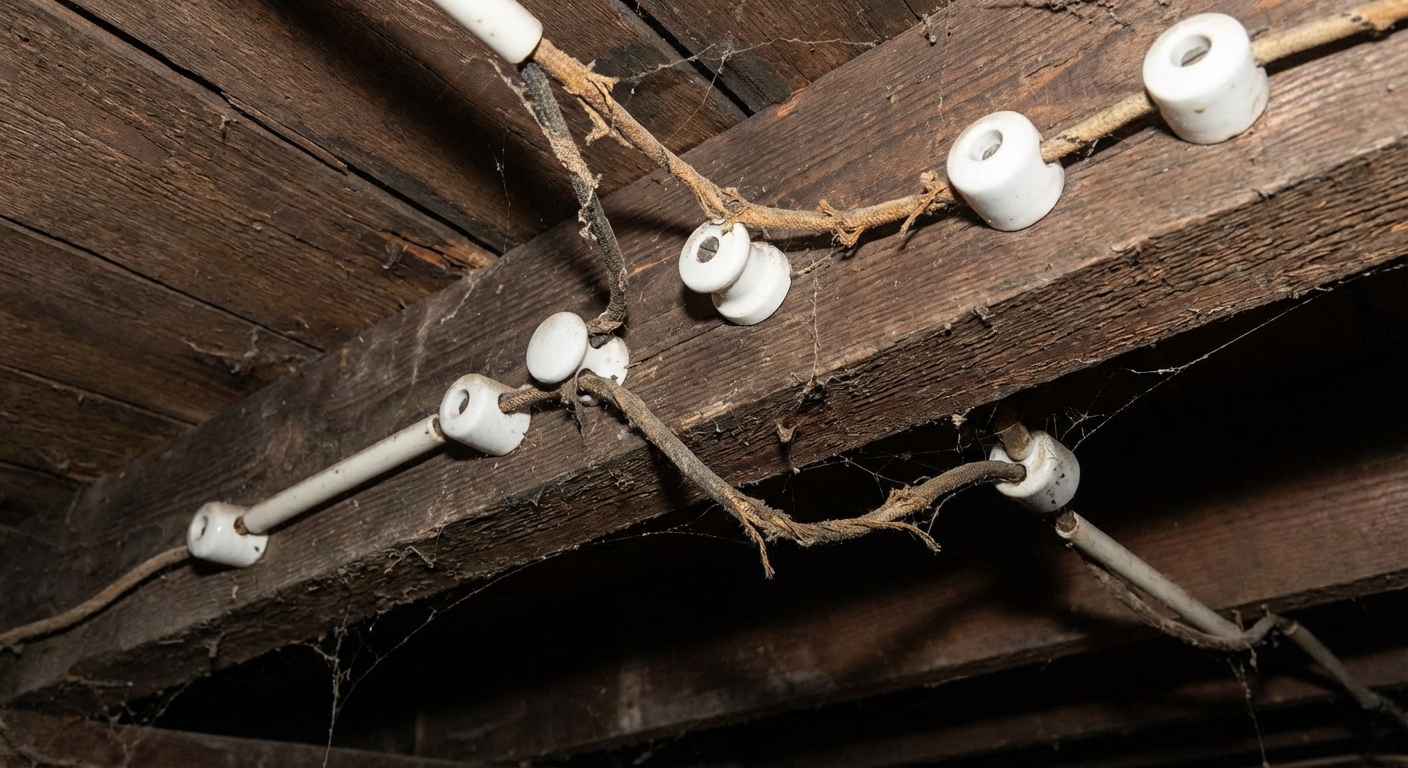
Portland’s most desirable neighborhoods feature homes prized for their architectural character, but these older properties often contain outdated and potentially hazardous systems that require immediate attention and significant investment.
The Age Advantage and Disadvantage
Craftsman bungalows and historic homes offer charm, quality construction materials, and established neighborhoods—qualities that attract buyers seeking character and community. However, the electrical, plumbing, and material components in these homes have often exceeded their intended service life, creating safety hazards and functional limitations that modern homeowners find unacceptable.
Electrical Hazards
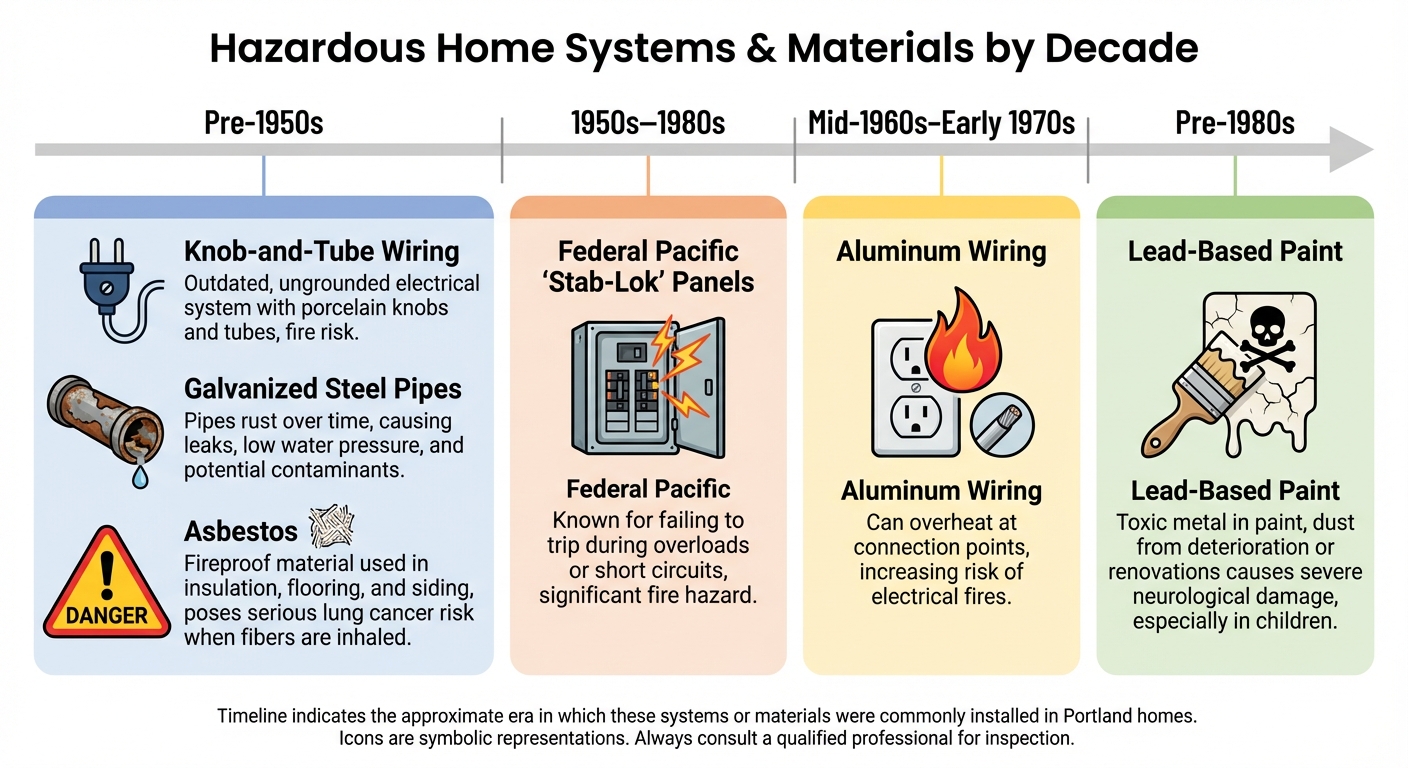
Knob-and-Tube Wiring (Pre-1950s): This antiquated system features ungrounded wiring that runs through ceramic insulators. Over decades, insulation breaks down, creating fire hazards. The danger intensifies when knob-and-tube wiring is covered by modern thermal insulation, which traps heat the system wasn’t designed to dissipate. Many insurance companies refuse coverage or charge premium rates for homes with active knob-and-tube wiring, making replacement a practical necessity. Aluminum Wiring (Mid-1960s to Early 1970s): During the copper shortage of this era, builders installed aluminum wiring as a cost-effective alternative. Unfortunately, aluminum connections loosen over time due to thermal expansion and contraction, causing overheating at outlets and junction boxes. Homes with aluminum wiring are 55 times more likely to have fire hazard conditions than those with copper wiring. If your inspection reveals aluminum wiring, budget for either complete replacement or specialized remediation using approved connection methods. Federal Pacific “Stab-Lok” Panels (1950s to 1980s): These electrical panels have earned industry-wide condemnation due to their high failure rate. Circuit breakers in these panels frequently fail to trip during overcurrent events, creating significant fire hazards. If your inspection identifies a Federal Pacific panel, plan for immediate replacement—this isn’t an issue to defer or negotiate away.
Plumbing Problems
Galvanized Steel Pipes (Pre-1960s): These pipes corrode internally over time, restricting water flow and causing rusty discoloration. With a typical 40-50 year life expectancy, many Portland systems installed in the 1950s or earlier are well past their intended service life. Complete galvanized pipe replacement can cost $5,000 to $15,000 depending on home size and accessibility, making this a significant budget consideration.
Hazardous Materials
Asbestos (Pre-1980s): This mineral fiber was widely used in insulation, vinyl flooring, textured “popcorn” ceilings, and siding due to its fire-resistant properties. Asbestos becomes a health hazard when fibers are disturbed and become airborne, where they can be inhaled and cause serious respiratory diseases. The EPA requires specific protocols for removal by licensed professionals. If your inspection identifies asbestos-containing materials, factor in specialized abatement costs and don’t attempt DIY removal.
💡 Actionable Tip: Budget realistically for infrastructure improvements and use inspection findings to negotiate repairs or credits that reflect true replacement costs. Your real estate agent and inspector can help you obtain contractor quotes that justify your negotiation position and ensure you enter homeownership with realistic expectations about near-term investment needs.
Beyond the Visible: Environmental and Geological Hazards Unique to Portland
Portland’s location in the Cascadia Subduction Zone and its geology create specific hazards—from invisible radon gas to earthquake vulnerability—that require specialized testing and evaluation beyond standard visual inspections.
Radon Gas—The Silent Threat
Radon is a naturally occurring radioactive gas and the second leading cause of lung cancer in the United States. This invisible, odorless gas enters homes through foundation cracks from surrounding soil, accumulating to dangerous levels without any warning signs. The EPA has established an action level of 4.0 picocuries per liter of air (pCi/L), recommending mitigation at or above this threshold. Much of the Portland metro area—including large portions of Multnomah, Clackamas, and Washington counties—falls within EPA Radon Zone 1 or 2, indicating high to moderate potential for elevated indoor radon levels.
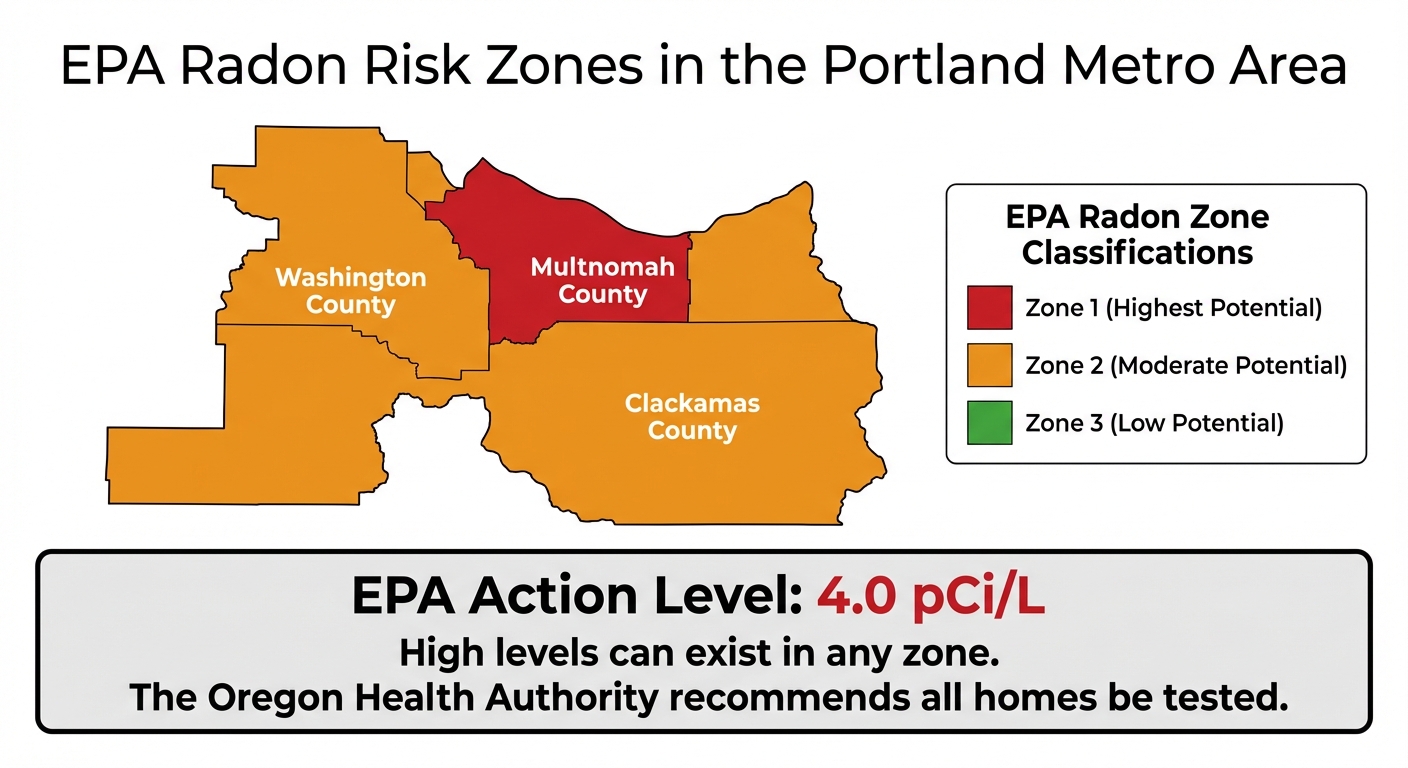
The Oregon Health Authority recommends that all homes be tested for radon, as levels vary significantly even within the same neighborhood. One house may test below 2.0 pCi/L while the neighbor’s home registers 8.0 pCi/L. Your home inspection provides the perfect opportunity to conduct a short-term radon test using professional equipment. If testing reveals elevated radon, mitigation systems typically cost $1,200 to $2,500 installed and effectively reduce radon levels below the EPA action threshold. This investment protects your family’s long-term health and becomes a selling point when you eventually list your home.
Seismic Vulnerabilities
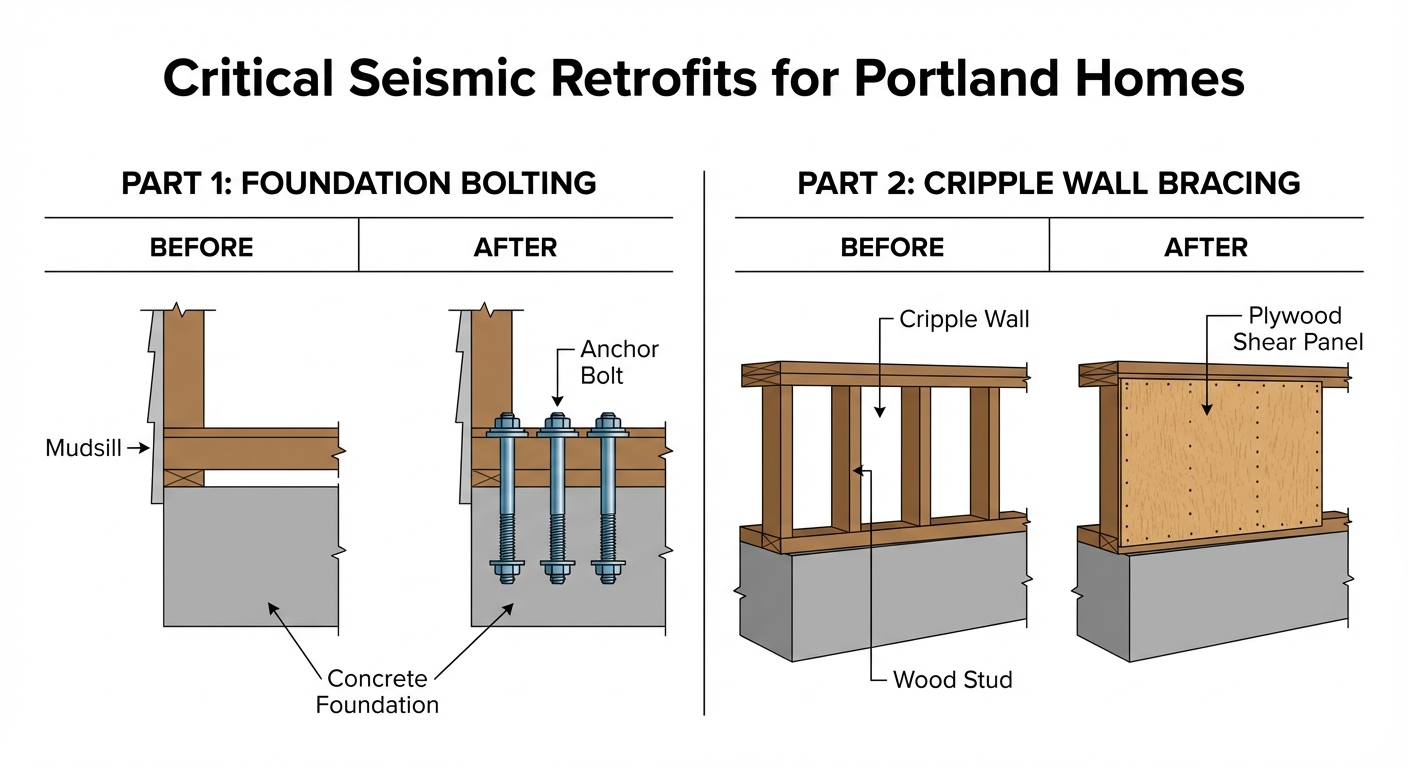
Portland’s location in the Cascadia Subduction Zone creates high earthquake risk. The Oregon Resilience Plan emphasizes the vulnerability of older building stock, particularly homes built before modern seismic codes were adopted in the mid-1990s.
Critical Inspection Points:
- Foundation Bolting: Is the wooden frame and mudsill securely bolted to the concrete foundation? Unbolted homes can slide off foundations during earthquakes, causing catastrophic damage. Adding foundation bolts is a straightforward retrofit that significantly improves seismic performance.
- Cripple Wall Bracing: Short walls between the foundation and first floor (cripple walls) require bracing with plywood shear paneling to prevent collapse during shaking. This common vulnerability in older Portland homes is relatively inexpensive to address but critical for earthquake safety.
While standard inspections identify these seismic vulnerabilities, a structural engineer may be needed for comprehensive evaluation or detailed retrofitting plans. The City of Portland provides guidance for homeowners on seismic strengthening projects, and some grant programs help offset retrofit costs. A basic seismic retrofit including foundation bolting and cripple wall bracing typically costs $4,000 to $8,000—a worthwhile investment for peace of mind and structural resilience in earthquake-prone Portland.
Sewer Line Issues
Older Portland neighborhoods have sewer laterals made of clay or cast iron, both susceptible to cracking, collapse, and tree root intrusion. Since homeowners are responsible for the sewer lateral from house to main line, failures can cost thousands of dollars in emergency excavation and repair. A “sewer scope”—a video inspection using a specialized camera—reveals the condition of your sewer line before you commit to purchase. This $200-$400 investment can identify problems that would otherwise remain hidden until sewage backs up into your home. If the scope reveals significant issues, you can negotiate repairs or credits ranging from $3,000 for spot repairs to $15,000 or more for complete lateral replacement.
Underground Storage Tanks (USTs)
Many pre-1960s Portland homes were heated with oil stored in underground tanks. When converted to natural gas, tanks were often abandoned in place rather than properly removed—a decision that creates significant liability for current homeowners. Leaking USTs can contaminate soil and groundwater, with cleanup costs frequently exceeding $10,000. The Oregon Department of Environmental Quality has specific rules for tank decommissioning, and improperly abandoned tanks represent serious buyer liabilities. Your inspector will look for signs of former oil heating systems, such as filled-in holes in the foundation where oil lines once ran, or abandoned vent pipes in the yard. If evidence suggests a potential UST, specialized contractors can perform tank searches using ground-penetrating radar or soil probes. If a tank is discovered without proper DEQ decommissioning paperwork, negotiate for professional removal and site remediation before closing. This protects you from assuming environmental liability that rightfully belongs to previous owners.
💡 Budget Planning: These environmental and geological hazards require testing and evaluation beyond standard visual inspection. Budget $500-$1,000 for specialized testing including radon testing, sewer scope, and potential tank searches. This investment provides critical information that protects your financial interests and your family’s safety while giving you leverage during negotiations.
From Report to Resolution: How to Leverage Your Inspection Findings
The inspection report isn’t the end of the process—it’s the beginning of strategic negotiations. Understanding how to interpret findings and approach sellers can save thousands of dollars and protect your long-term investment.
Interpreting the Report
Modern inspection reports are detailed documents, often exceeding 50 pages with photographs and descriptions of every significant finding. Your first task is differentiating between issues that warrant immediate attention and those that don’t. Major defects and safety hazards affect structural integrity, habitability, or safety. These include failing roofs, active knob-and-tube wiring, elevated radon levels, unbraced cripple walls, sewer line failures, and underground storage tank contamination. Focus your negotiation efforts here—these issues justify significant repair requests or transaction reconsideration. Deferred maintenance and minor imperfections include cosmetic issues like worn carpeting, end-of-service-life items like aging appliances, and minor problems like dripping faucets or peeling paint. While these appear in your report, they rarely succeed as negotiation points unless they’re extensive or compound with major issues. Work with your real estate agent to prioritize findings based on safety, cost, and urgency. Your inspector can clarify which issues require immediate attention versus those that can be deferred for years.
The Inspection Contingency
According to the National Association of REALTORS®, 81% of recent buyers included an inspection contingency in their contracts. This contingency provides negotiating power and an exit strategy if critical issues aren’t resolved satisfactorily. The contingency period typically lasts 10 business days in Oregon, giving you time to review the inspection report, obtain repair quotes, and submit a repair addendum to the seller. Use this time strategically—rushed decisions or emotional reactions rarely produce optimal outcomes.
Three Negotiation Approaches
| Approach | Advantages | Disadvantages | Best For |
|---|---|---|---|
| 1. Seller Completes Repairs | Move-in ready home; no immediate cash outlay for repairs | No control over contractor quality; typically minimum standards | Buyers unable to manage post-closing repairs; minor issues |
| 2. Seller Provides Credit at Closing | Complete control over contractors; ensures quality work; flexible scheduling | Must manage repair process; need cash post-closing | Buyers who want quality assurance; have capacity to manage contractors |
| 3. Seller Reduces Purchase Price | Lowers loan amount; potentially reduces property tax; simplifies transaction | Provides less immediate cash than closing credit; need sufficient reserves | Buyers with ample cash reserves; want to minimize loan amount |
Strategic Approach
Before submitting your repair addendum, obtain repair quotes from qualified contractors. Specific dollar amounts carry more weight than vague requests. A request for “$8,500 credit for sewer lateral repair per attached quote from ABC Plumbing” is far more compelling than “repair sewer line issues.” Prioritize safety hazards and major systems over cosmetic concerns. A reasonable request focused on legitimate safety issues and functional problems is more likely to succeed than a lengthy list including minor imperfections. Work closely with your real estate agent throughout negotiations. Experienced agents understand local market dynamics and can craft requests that balance your interests with realistic expectations about seller responses. Remember that sellers aren’t obligated to agree to repair requests. However, unreasonable refusal to address significant safety issues could lead you to exercise your inspection contingency and terminate the contract. This possibility motivates many sellers to negotiate in good faith on legitimate concerns.
Real-World Example: Strategic Negotiation in Action
Consider a 1925 Craftsman in Sellwood with five major inspection findings totaling $21,800 in contractor quotes. Rather than requesting that the seller complete all repairs, the buyer negotiated an $18,000 credit at closing. This compromise allowed the transaction to proceed while protecting the buyer’s interests. Post-closing, the buyer prioritized the electrical panel replacement and radon mitigation immediately, scheduled the seismic retrofit within six months, and planned the sewer repair for the following spring.
This strategic approach gave the buyer control over contractor selection, allowed for phased completion based on priority and cash flow, and ultimately delivered better repair quality than seller-managed work would have provided.
Key Takeaways
The home inspection process in Portland is more than a formality—it’s your opportunity to understand exactly what you’re buying and to protect yourself from costly surprises. Oregon’s regulatory framework ensures you’re working with qualified professionals, while the region’s unique challenges—from relentless moisture and aging infrastructure to invisible threats like radon and seismic vulnerabilities—demand thorough evaluation and informed decision-making. By understanding what a standard inspection covers, recognizing Portland-specific issues, and approaching negotiations strategically, you transform the inspection from a source of anxiety into a powerful tool for confident homeownership. Whether you’re purchasing a historic craftsman or a mid-century ranch, the inspection report empowers you to make sound financial decisions and become a proactive steward of your Pacific Northwest home. The goal isn’t finding a perfect home—perfection doesn’t exist in real estate. The goal is finding the right home with your eyes wide open, armed with knowledge about its condition, realistic expectations about near-term investments, and confidence that you’ve made an informed decision. Work with an Oregon Certified Home Inspector who understands Portland’s unique challenges. Partner with a knowledgeable real estate agent who can guide you through negotiations and help you prioritize inspection findings. Don’t hesitate to bring in specialists for radon testing, sewer scopes, or seismic evaluations when your home’s age or condition warrants additional investigation. Your future self will thank you for the due diligence. The inspection process might reveal issues that require investment, but discovering problems before closing beats discovering them after you own the home. With the right approach, your inspection becomes not a source of stress but a source of power—the power of knowledge, the power of negotiation, and ultimately, the power of confident homeownership in one of America’s most desirable cities.
Ready to Navigate Your Portland Home Purchase with Confidence?
Professional guidance can transform your homebuying experience from overwhelming to empowering.
References:
- U.S. Census Bureau. (2022). DP04: Selected Housing Characteristics, Portland city, Oregon. American Community Survey. https://data.census.gov/table?q=DP04&g=1600000US4159000
- Oregon Construction Contractors Board. (n.d.). Home Inspector Certification. https://www.oregon.gov/ccb/hom-insp/Pages/default.aspx
- Oregon Secretary of State. (2022). OAR 812-008-0201: Standards of Practice: Definitions. Oregon Administrative Rules. https://secure.sos.state.or.us/oard/viewSingleRule.action?ruleVrsnRsn=292484
- National Weather Service. (n.d.). Portland, OR Climate. National Oceanic and Atmospheric Administration. https://www.weather.gov/pqr/pdxclimate
- Washington State University Extension. (2009). Wood-Based Composites and the Urban/Wildland Interface. https://s3.wp.wsu.edu/uploads/sites/2079/2014/03/EBM-WoodBasedComposites.pdf
- International Code Council. (2018). Termite Infestation Probability Map (TIP Zone). International Residential Code (IRC) Figure R301.2(7). https://codes.iccsafe.org/content/IRC2018/figure-r301-2-7-termite-infestation-probability-map
- U.S. Environmental Protection Agency. (2017). A Brief Guide to Mold, Moisture, and Your Home. https://www.epa.gov/mold/brief-guide-mold-moisture-and-your-home
- U.S. Consumer Product Safety Commission. (n.d.). Repairing Aluminum Wiring. CPSC Publication 516. https://www.cpsc.gov/s3fs-public/516.pdf
- U.S. Department of Housing and Urban Development (HUD). (2006). Residential Rehabilitation Inspection Guide. https://www.huduser.gov/portal/publications/destech/resid.html
- U.S. Environmental Protection Agency. (n.d.). Asbestos: Protecting Your Family. https://www.epa.gov/asbestos/protect-your-family
- U.S. Environmental Protection Agency. (n.d.). EPA Map of Radon Zones: Oregon. https://www.epa.gov/radon/epa-map-radon-zones-and-supplemental-information#oregon
- Oregon Health Authority. (n.d.). Radon Gas in Oregon. https://www.oregon.gov/oha/ph/healthyenvironments/radiationprotection/radongas/pages/index.aspx
- U.S. Environmental Protection Agency. (2018). A Citizen’s Guide to Radon. https://www.epa.gov/sites/default/files/2018-12/documents/citizens-guide-to-radon.pdf
- Oregon Seismic Safety Policy Advisory Commission. (2013). The Oregon Resilience Plan. https://www.oregon.gov/oem/documents/oregon_resilience_plan_final.pdf
- City of Portland, Bureau of Development Services. (n.d.). Seismic Strengthening for Houses. https://www.portland.gov/bds/residential-permitting/seismic-strengthening-houses
- City of Portland, Bureau of Environmental Services. (n.d.). Sewer Problems and Your Responsibility. https://www.portland.gov/bes/your-sewer/sewer-problems-and-your-responsibility
- Oregon Department of Environmental Quality. (n.d.). Heating Oil Tanks. https://www.oregon.gov/deq/tanks/pages/hot.aspx
- National Association of REALTORS®. (2023). 2023 Profile of Home Buyers and Sellers. https://www.nar.realtor/research-and-statistics/research-reports/highlights-from-the-profile-of-home-buyers-and-sellers